Identification, Images, & Information
For Insects, Spiders & Their Kin
For the United States & Canada
Clickable Guide
Moths Butterflies Flies Caterpillars Flies Dragonflies Flies Mantids Cockroaches Bees and Wasps Walkingsticks Earwigs Ants Termites Hoppers and Kin Hoppers and Kin Beetles True Bugs Fleas Grasshoppers and Kin Ticks Spiders Scorpions Centipedes Millipedes


TaxonomyBrowse
Info
ImagesLinksBooksData

Species Trigonopeltastes delta - Delta Flower Scarab

Delta Flower Scarab - Trigonopeltastes delta Delta Flower Scarab - Trigonopeltastes delta Flower Scarab - Trigonopeltastes delta Delta Flower Scarab - Trigonopeltastes delta Delta beetle - Trigonopeltastes delta Trigonopeltastes delta Trigonopeltastes delta Scarab? What genus and species? - Trigonopeltastes delta
Classification
Kingdom Animalia (Animals)
Phylum Arthropoda (Arthropods)
Class Insecta (Insects)
Order Coleoptera (Beetles)
Suborder Polyphaga (Water, Rove, Scarab, Longhorn, Leaf and Snout Beetles)
Superfamily Scarabaeoidea (Scarab, Stag and Bess Beetles)
Family Scarabaeidae (Scarab Beetles)
Subfamily Cetoniinae (Fruit and Flower Chafers)
Tribe Trichiini
Genus Trigonopeltastes
Species delta (Delta Flower Scarab)
Other Common Names
"D Beetle", Flower Scarab
Synonyms and other taxonomic changes
Trigonopeltastes delta (J.R. Forster, 1771)
Explanation of Names
Species name "delta" refers to the triangular pattern on the pronotum, which resembles the Greek letter, Delta, i.e., Δ.
Size
7-11 mm
Identification
Distinctive medium-sized beetle with yellow-orange elytra and striking triangular pattern on pronotum. Diurnal, visits flowers. Perhaps the Delta pattern on the pronotum, combined with the orange coloration of the elytra is mimicry of wasps, such as...
Paper Wasp, Polistes fuscatus/Southern Yellowjacket, Vespula squamosa

Range
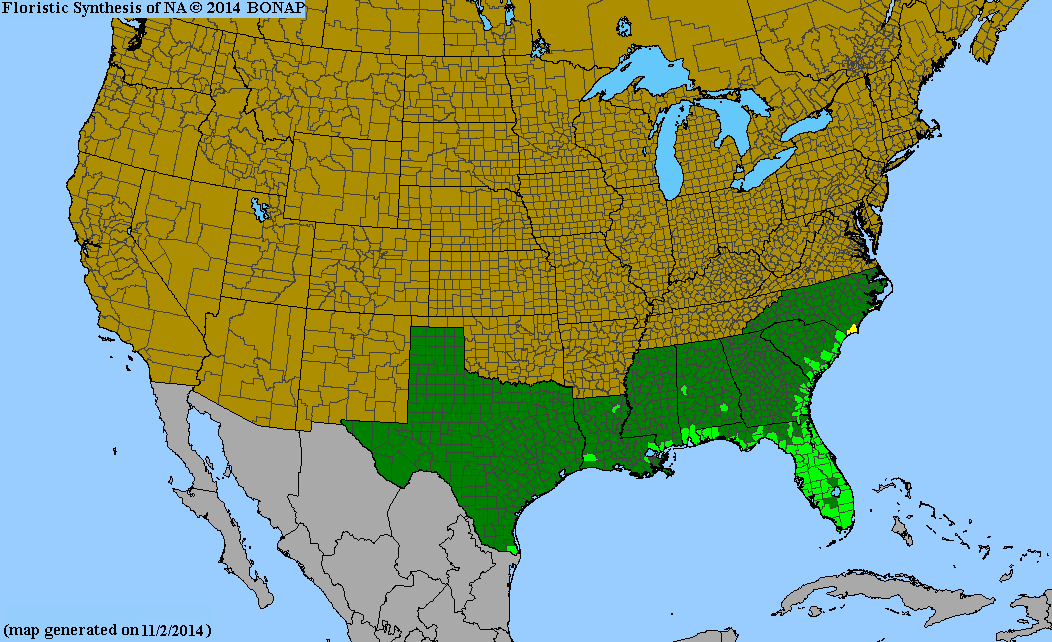
Southeastern United States: New Jersey south to Florida, west to Ohio, Missouri, Kansas, Oklahoma, Texas.
Habitat
Meadows with flowers.
Season
Summer. May-August (North and South Carolina). May-October (Texas).
Food
Adults take pollen and/or nectar. (Possibly eat vegetative parts as well?) Food plants include Goldenrod (Solidago), Feverfew (Parthenium), Coneflower (Echinacea), and Rattlesnake Master (Eryngium yuccafolium).
Life Cycle
Mating occurs on flowers. Larvae are found in decaying wood, e.g., stumps, and have also been found in bromeliads.
See Also
Trichiotinus, but pattern of this species distinctive
Print References
White, Field Guide to the Beetles, plate 8 (1)
Arnett and Jacques, Simon & Schuster's Guide to Insects, number 114 (2)
Deyrup and Kenney, Florida's Fabulous Insects, page 95 (3)
Harpootlian, p. 122, fig. 241 (4)
Salsbury, p. 185 (5)
Brimley, p. 208 (6)
Works Cited
1.Peterson Field Guides: Beetles
By Richard E. White
2.Simon & Schuster's Guide to Insects
By Dr. Ross H. Arnett, Dr. Richard L. Jacques
3.Florida's Fabulous Insects
By Mark Deyrup, Brian Kenney, Thomas C. Emmel
4.Scarab beetles (Coleoptera: Scarabaeidae) of South Carolina
By Phillip J. Harpootlian
5.Insects in Kansas
By Glenn A. Salsbury and Stephan C. White
6.Insects of North Carolina
By C.S. Brimley