Identification, Images, & Information
For Insects, Spiders & Their Kin
For the United States & Canada
Clickable Guide
Interactive image map to choose major taxa Moths Butterflies Flies Caterpillars Flies Dragonflies Flies Mantids Cockroaches Bees and Wasps Walkingsticks Earwigs Ants Termites Hoppers and Kin Hoppers and Kin Beetles True Bugs Fleas Grasshoppers and Kin Ticks Spiders Scorpions Centipedes Millipedes

Calendar
Upcoming Events

National Moth Week was July 19-27, and the Summer 2025 gathering in Louisiana, July 19-27

Photos of insects and people from the 2024 BugGuide gathering in Idaho July 24-27

Moth submissions from National Moth Week 2024

Photos of insects and people from the 2022 BugGuide gathering in New Mexico, July 20-24

Photos of insects and people from the Spring 2021 gathering in Louisiana, April 28-May 2

Photos of insects and people from the 2019 gathering in Louisiana, July 25-27


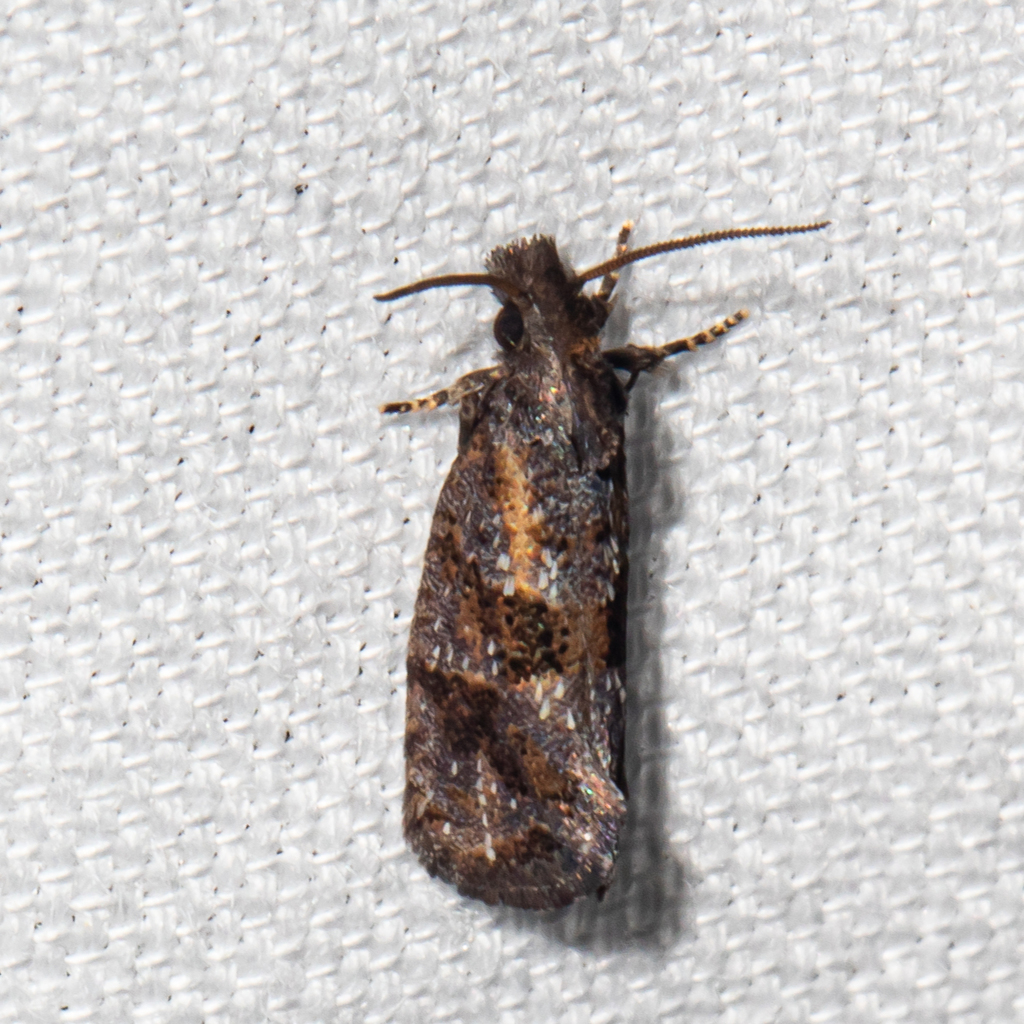
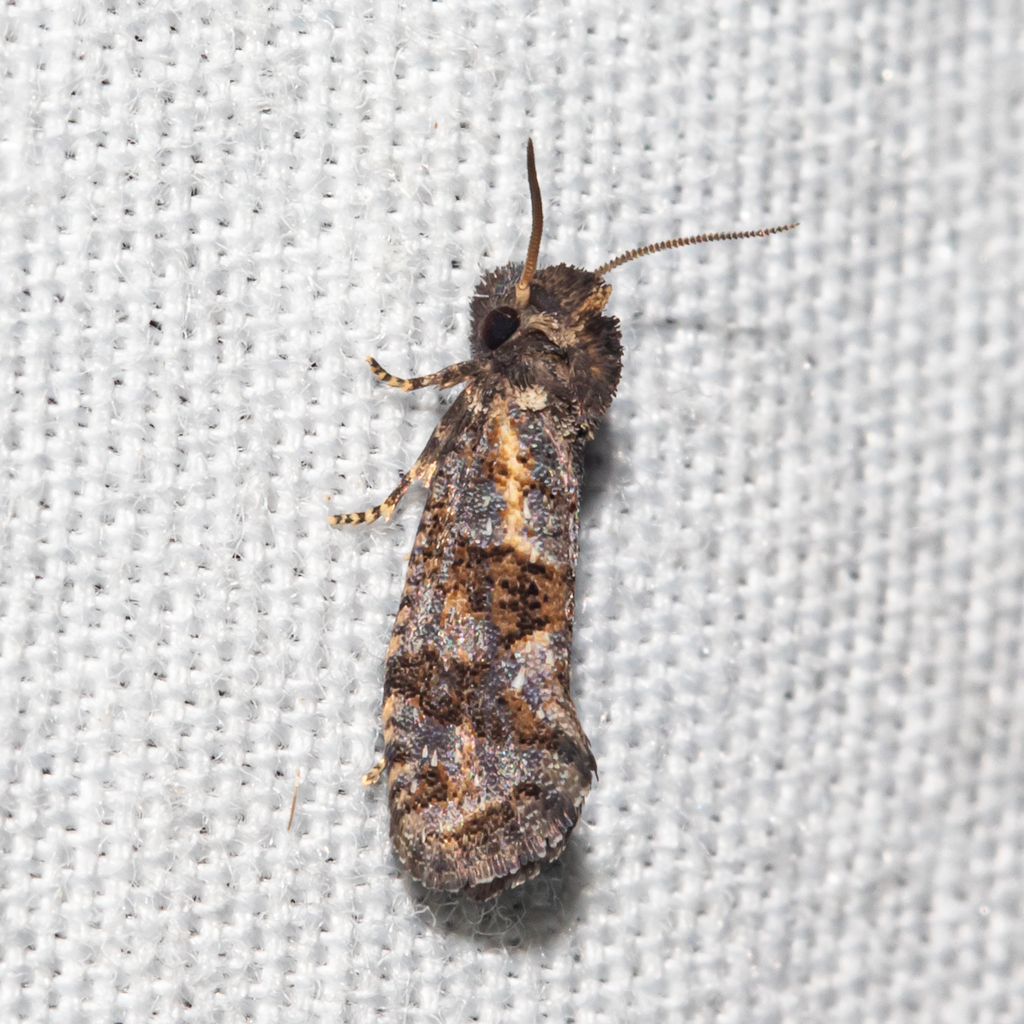
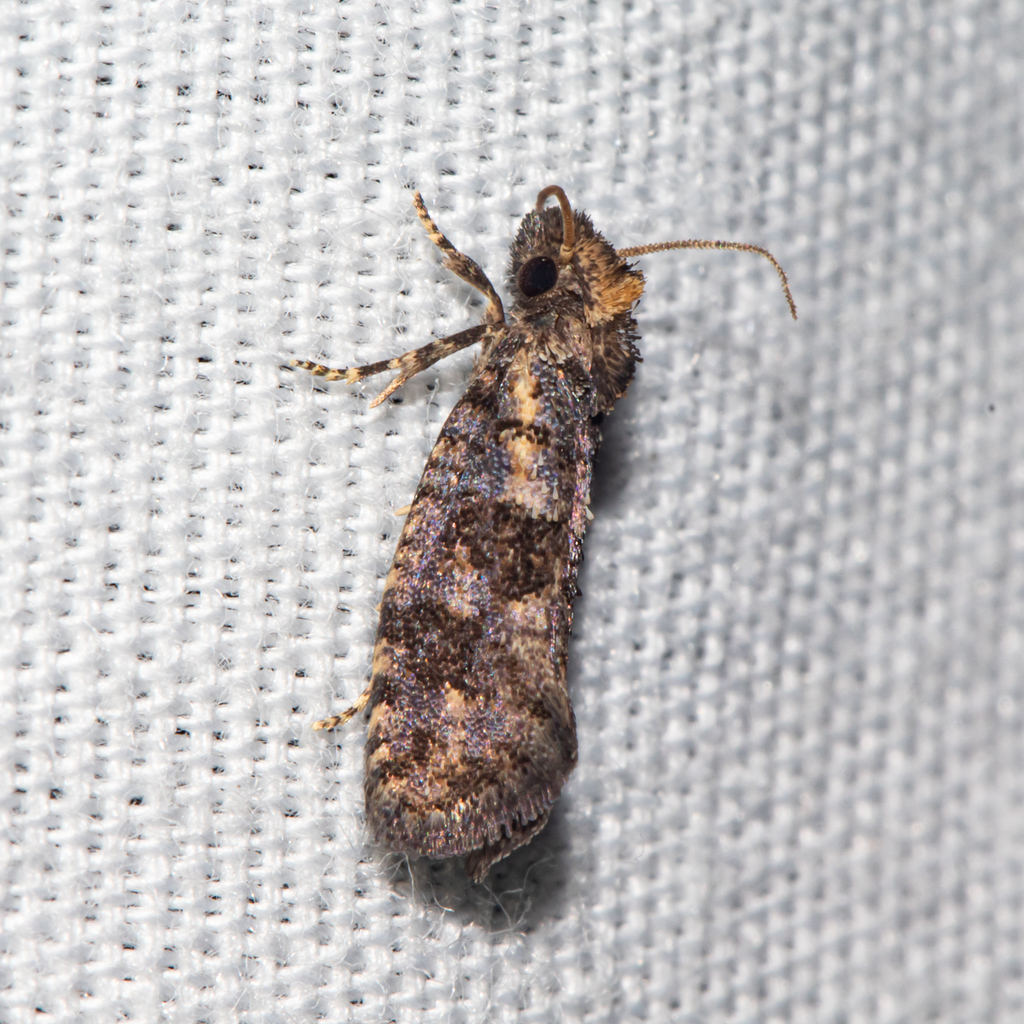
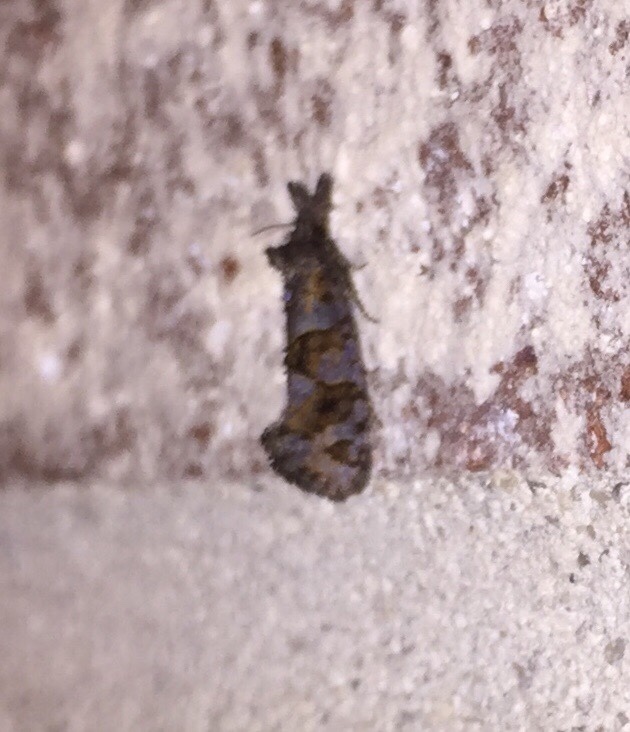
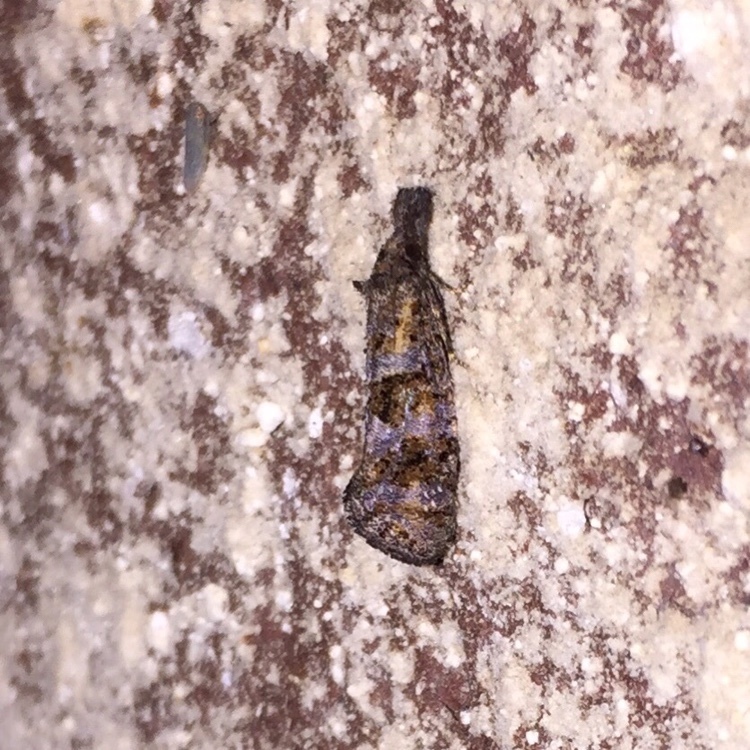
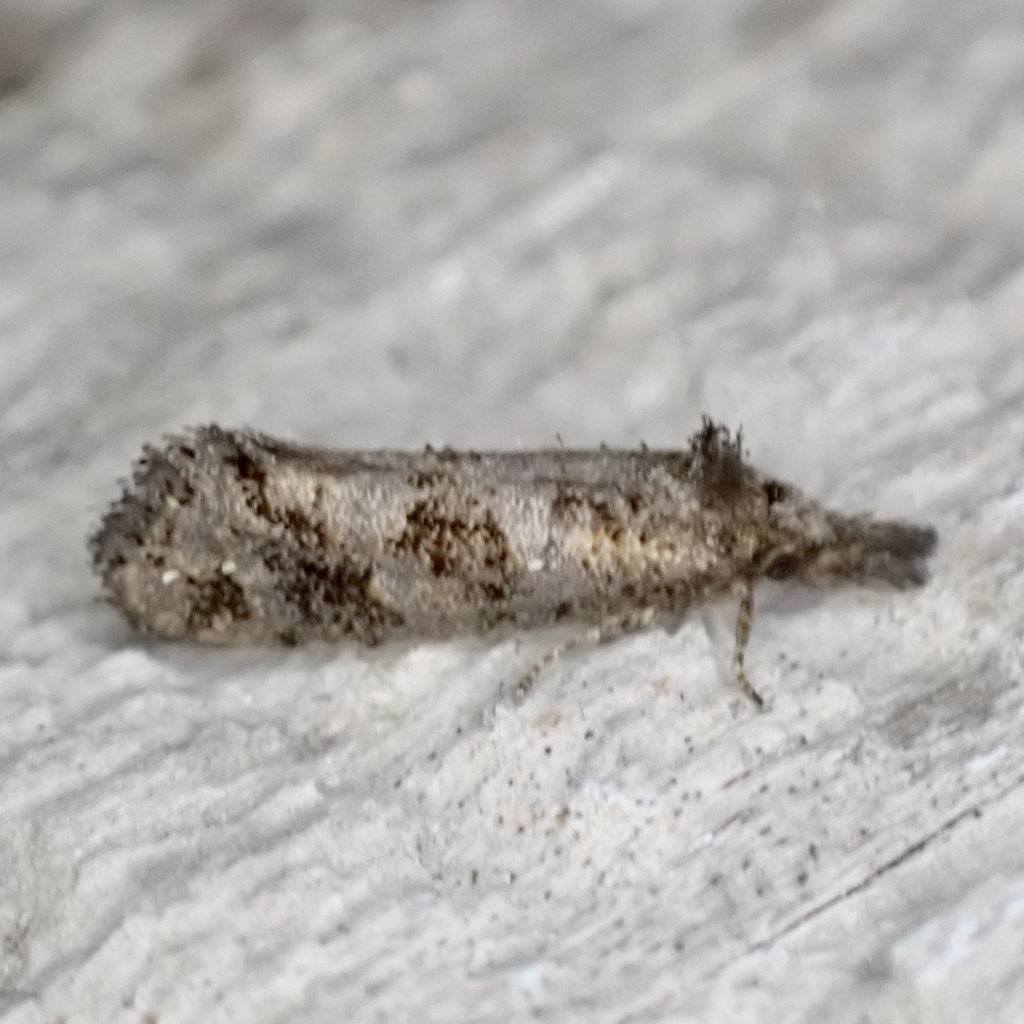
Species Acrolophus simulatus - Hodges#0381

Representative Images

ID Request - Acrolophus simulatus Moth ID - Acrolophus simulatus Hodges#0381 - Acrolophus simulatus - male little moth with a crest - Acrolophus simulatus Moth ID - Acrolophus simulatus Moth to porch light  - Acrolophus simulatus Hodges #0368 - Panama Grass-tubeworm Moth - Acrolophus simulatus Hodges #0381 - Acrolophus simulatus
Show images of: caterpillars · adults · both

Classification

Kingdom Animalia (Animals)
Phylum Arthropoda (Arthropods)
Subphylum Hexapoda (Hexapods)
Class Insecta (Insects)
Order Lepidoptera (Butterflies and Moths)
Superfamily Tineoidea (Tubeworm, Bagworm, and Clothes Moths)
Family Tineidae (Clothes Moths)
Subfamily Acrolophinae (Burrowing Webworm Moths)
Genus Acrolophus (Tubeworm Moths)
Species simulatus (Acrolophus simulatus - Hodges#0381)

Hodges Number

0381

Synonyms and other taxonomic changes

Acrolophus simulatus - Walsingham, 1882

Identification

This species is very distinctive and has very long palps in both sexes.
Males:

Females:


It can be distinguished from A. cressoni by the longer palps and lack of raised scales on the forewings, and from other eastern Acrolophus with similar palps by its tiny size (

Range

appears to be widespread in the Southeast, from NJ south to FL west to TX

Internet References